The Home Computer War

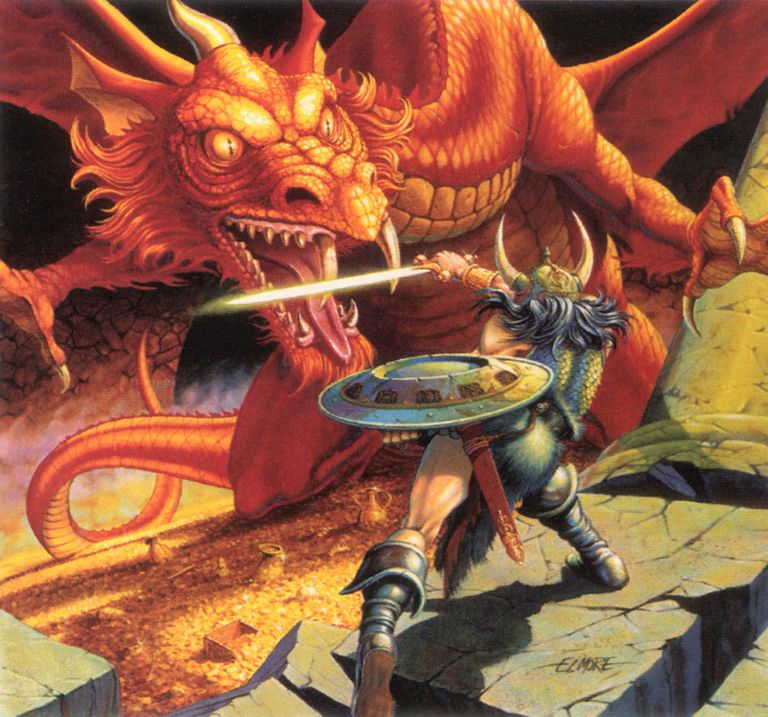
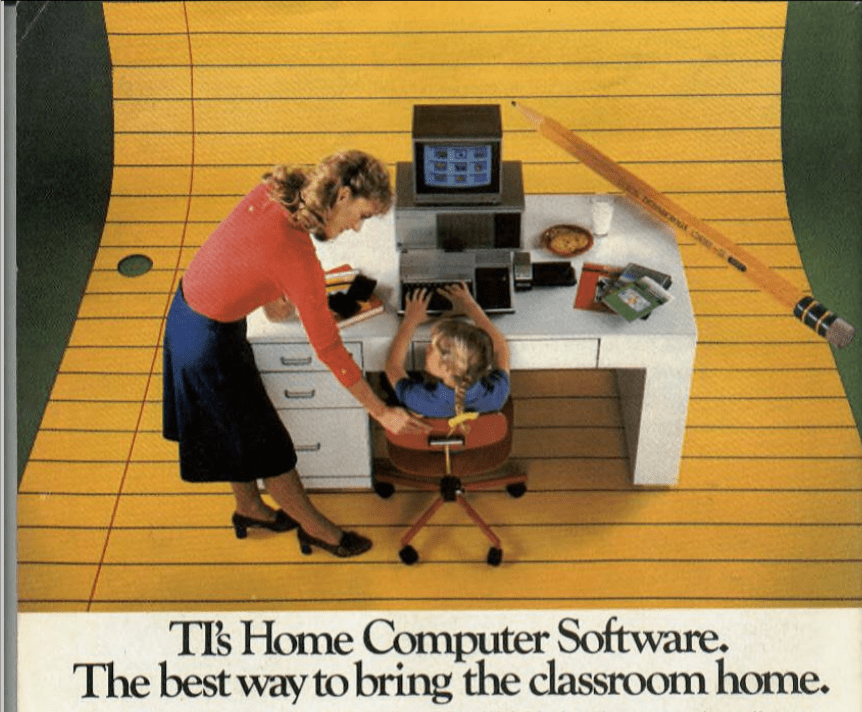
In 1979, Atari and Texas Instruments (TI) established a new category of computer, which hybridized the features of the personal computer and video game console. Like a video game system, they had dedicated graphics and sound chips and cartridge-based software, but they were also programmable and expandable, with peripherals like tape cassette drives and printers.… Continue reading The Home Computer War
The Transistor, Part 3: Endless Reinvention

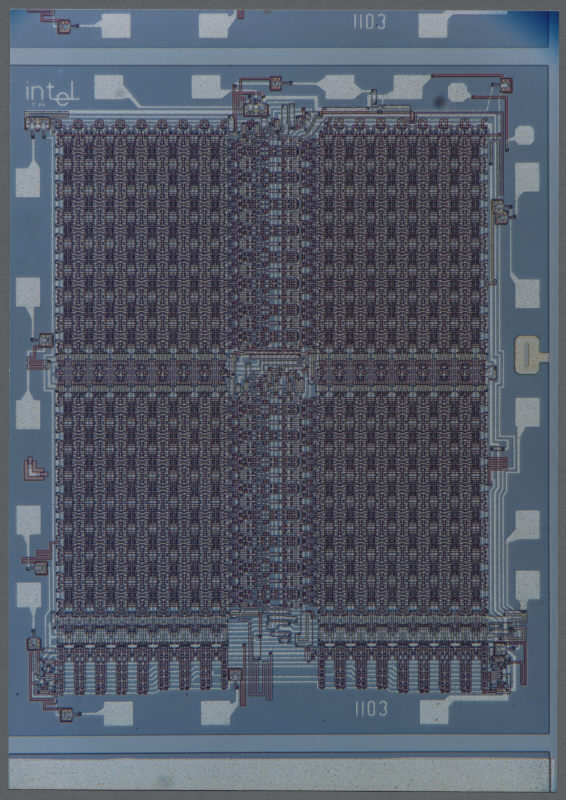
For over a hundred years the analog dog wagged the digital tail.ย The effort to extend the reach of our senses - sight, hearing, even (after a manner of speaking) touch, drove engineers and scientists to search for better components for telegraph, telephone, radio and radar equipment. It was a happy accident that this also opened… Continue reading The Transistor, Part 3: Endless Reinvention

The Transistor, Part 2: Out Of The Crucible

The crucible of war prepared the ground for the transistor. The state of technical knowledge about semiconductor devices advanced enormously from 1939 to 1945. There was one simple reason: radar. The single most important technology of the war, its applications included detecting incoming air raids, locating submarines, guiding nightfighters to their targets, and aiming anti-aircraft… Continue reading The Transistor, Part 2: Out Of The Crucible

The Transistor, Part 1: Groping in the Dark

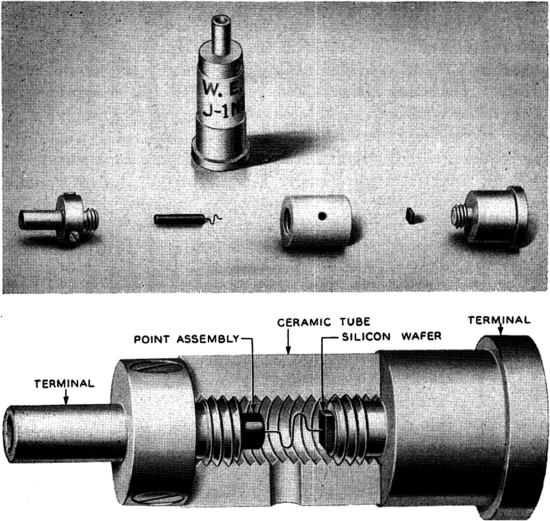
The road to a solid-state switch was a long and complex one. It began with the discovery that certain materials behaved oddly with respect to electricity - differently than any existing theory said they ought to. What followed is a story that reveals the "scienceification" and "instutionalization" of technology in the twentieth century. Dilettantes, amateurs… Continue reading The Transistor, Part 1: Groping in the Dark

The Electronic Computers, Part 4: The Electronic Revolution

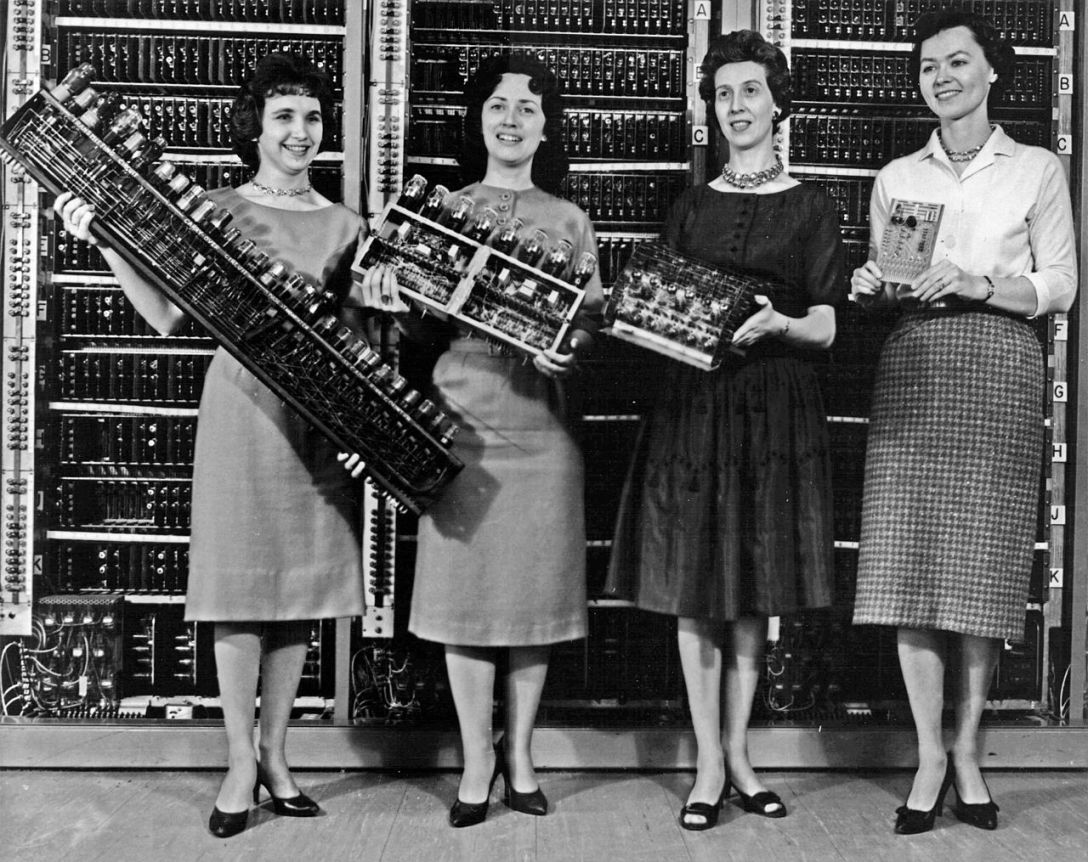
We have now recounted, in succession, each of the first three attempts to build a digital, electronic computer: Theย Atanasoff-Berry Computerย (ABC) conceived by John Atanasoff, the British Colossusย projected headed by Tommy Flowers, and the ENIAC built at the University of Pennsylvania's Moore School. All three projects were effectively independent creations. Though John Mauchly, the motive force… Continue reading The Electronic Computers, Part 4: The Electronic Revolution

The Electronic Computers, Part 3: ENIAC

The second electronic computing project to emerge from the war, like Colossus, required many minds (and hands) to bring it to fruition. But, also like Colossus, it would have never come about but for one man's fascination with electronics. In this case, the man's name was John Mauchly. Mauchly's story intertwines in curious (and, to… Continue reading The Electronic Computers, Part 3: ENIAC

The Electronic Computers, Part 2: Colossus

In 1938 the head of the British Secret Intelligence Service quietly bought up a sixty acre estate fifty miles from London. Located at the junction of railways running up from London to parts north and from Oxford in the west to Cambridge in the east, it was an ideal site for an organization that needed… Continue reading The Electronic Computers, Part 2: Colossus

The Electronic Computers, Part 1: Prologue

As we saw in the last installment, the search by radio and telephone engineers for more powerful amplifiers opened a new technological vista that quickly acquired the nameย electronics. An electronic amplifier could easily be converted into a digital switch, but one with vastly greater speed than its electro-mechanical cousin, the telephone relay. Due to its… Continue reading The Electronic Computers, Part 1: Prologue

The Electronic Age

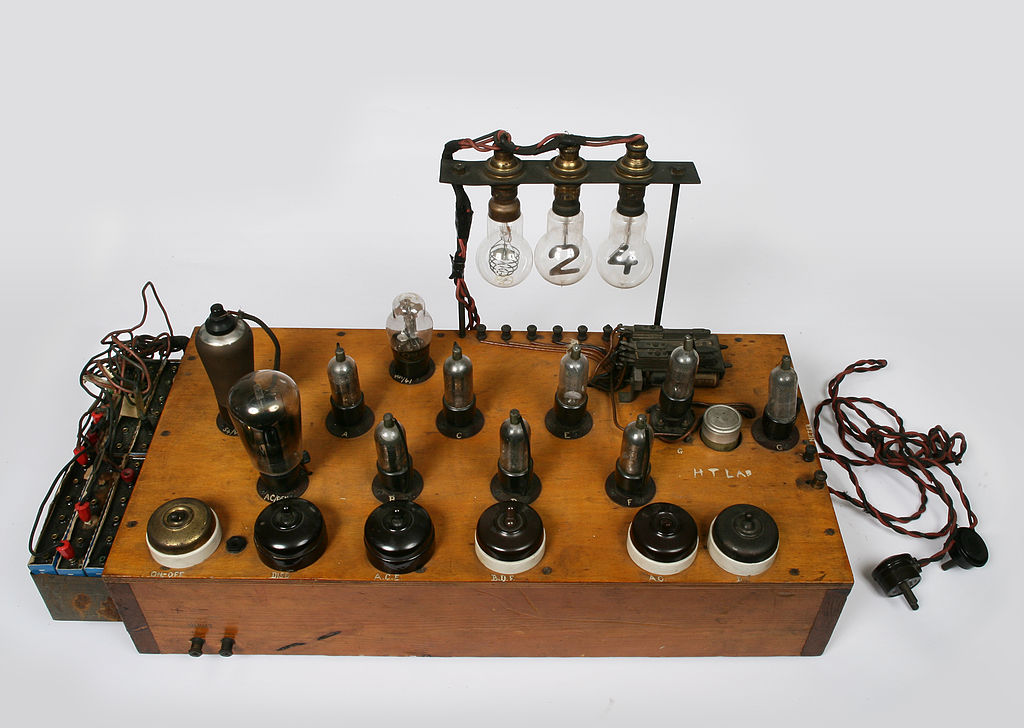
We saw last time how the first generation of digital computers were builtย around the first generation of automatic electrical switch, the electromagnetic relay. But by the time those computers were built, another digital switch was already waiting in the wings. Whereas the relay was an electromechanical device (because it used electricity to control a mechanical… Continue reading The Electronic Age

Lost Generation: The Relay Computers

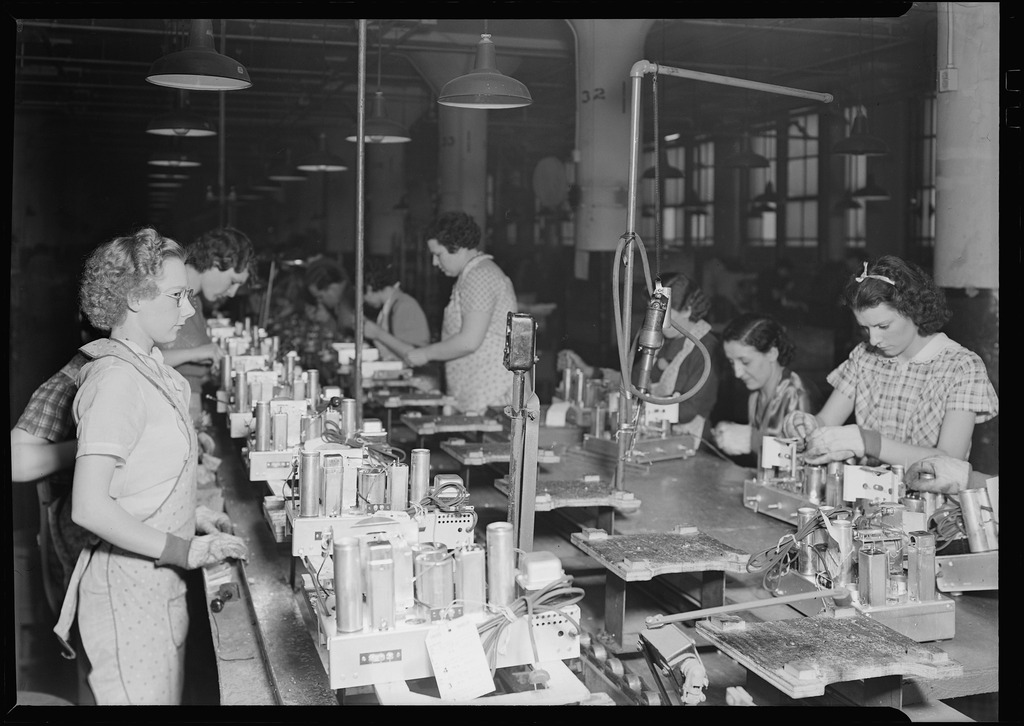
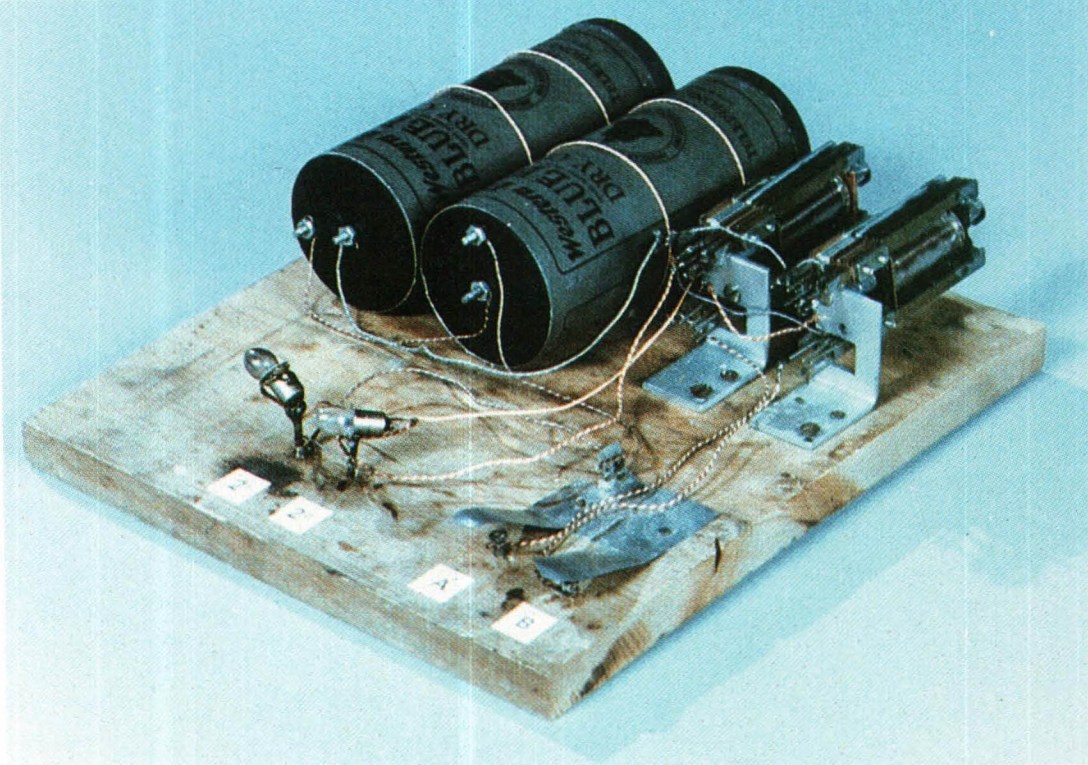
Our previous installmentย described the rise of automatic telephone switches, and of the complex relay circuits to control them. Nowย we shallย see how scientists and engineers ย developed such relay circuitsย into the first, lost, generation of digital computers. The Relay at Zenith Recall to mind the relay, based on the simple idea that an electromagnet could operate a… Continue reading Lost Generation: The Relay Computers

Only Connect

The firstย telephones [Previous Part] were point-to-point devices, connecting a single pair ofย stations. As early as 1877, however, Alexander Graham Bell envisioned a grand, interconnected system. Bell wrote in a prospectus for potential inventors that, justย as municipal gas and water systems connected homes and offices throughout major cities toย central distribution centers,1 ...it is conceivable that cables… Continue reading Only Connect

The Speaking Telegraph

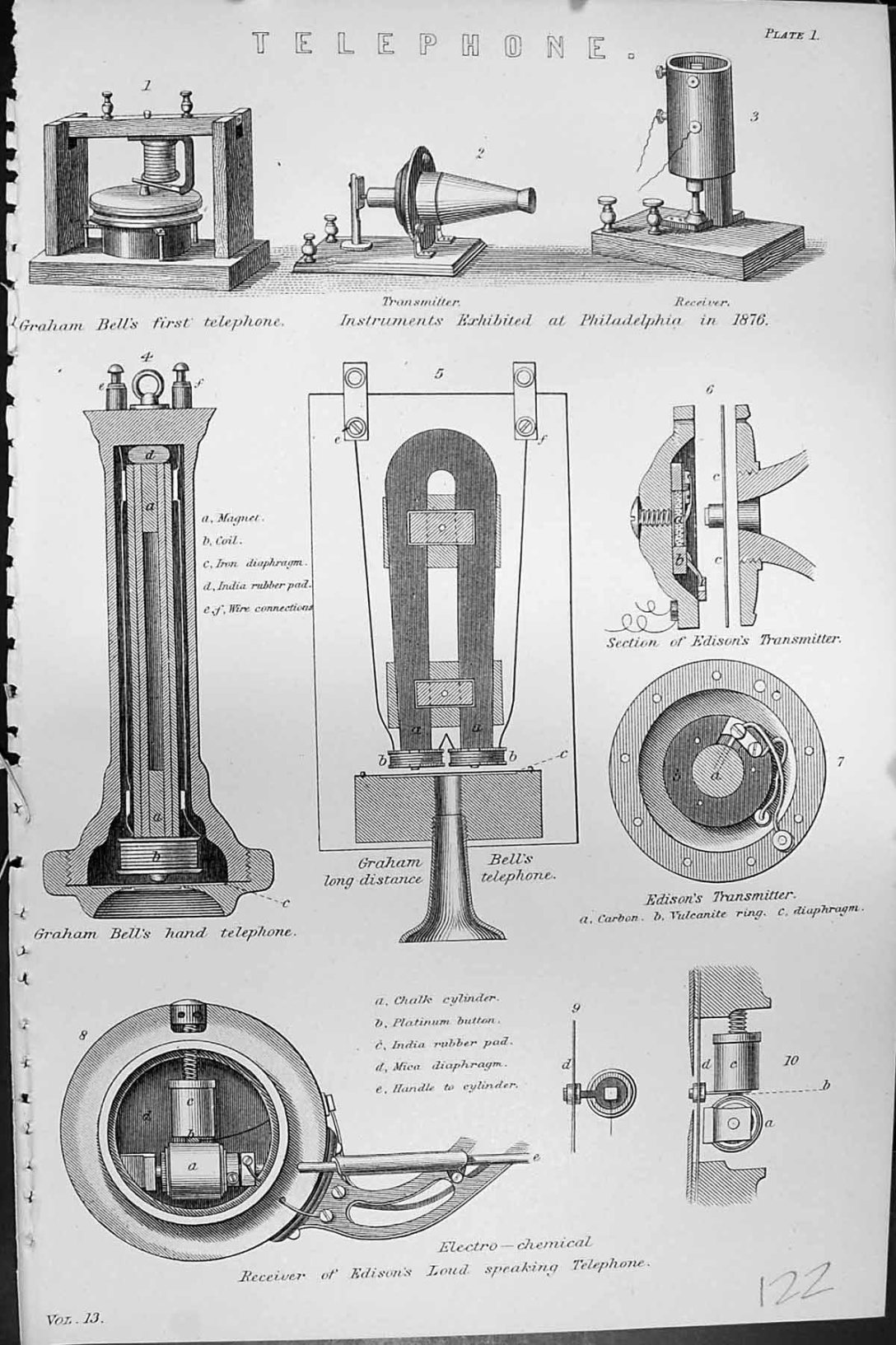
[Previous Part] The telephone was an accident. Whereas theย telegraph networks of the 1840s emerged out ofย a century-long search for theย means to communicate by electricity, men only stumbled over the telephone whileย searching for a better telegraph. For this reason, it is easier to pin down a plausible, though not incontrovertible, date for the invention of the… Continue reading The Speaking Telegraph

The Relay

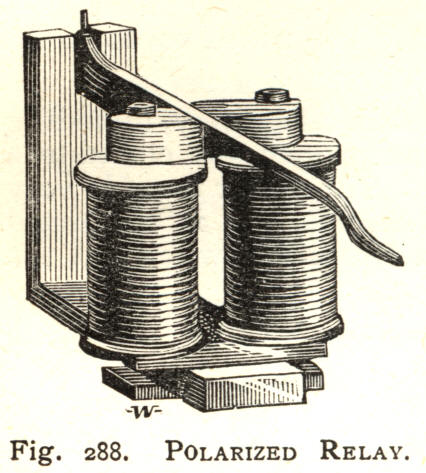
[Previous Part] In 1837, American scientist and teacher Joseph Henry took his first tourย of Europe. During his visit to London, he made a point of visiting a man he greatly admired, the mathematician Charles Babbage. Accompanying Henryย were his friend Alexander Bache, and his new acquaintance and fellow experimenter in telegraphy, Charles Wheatstone. Babbage told his… Continue reading The Relay