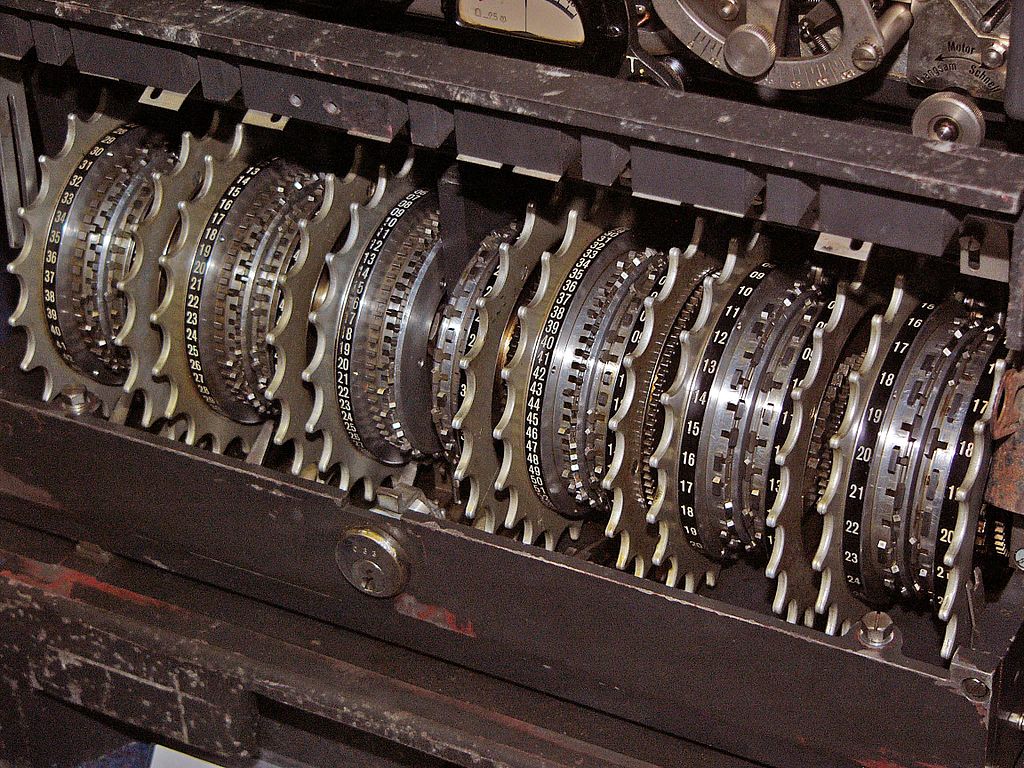
In 1938 the head of the British Secret Intelligence Service quietly bought up a sixty acre estate fifty miles from London. Located at the junction of railways running up from London to parts north and from Oxford in the west to Cambridge in the east, it was an ideal site for an organization that needed… Continue reading The Electronic Computers, Part 2: Colossus
Author: technicshistory
The Electronic Computers, Part 1: Prologue
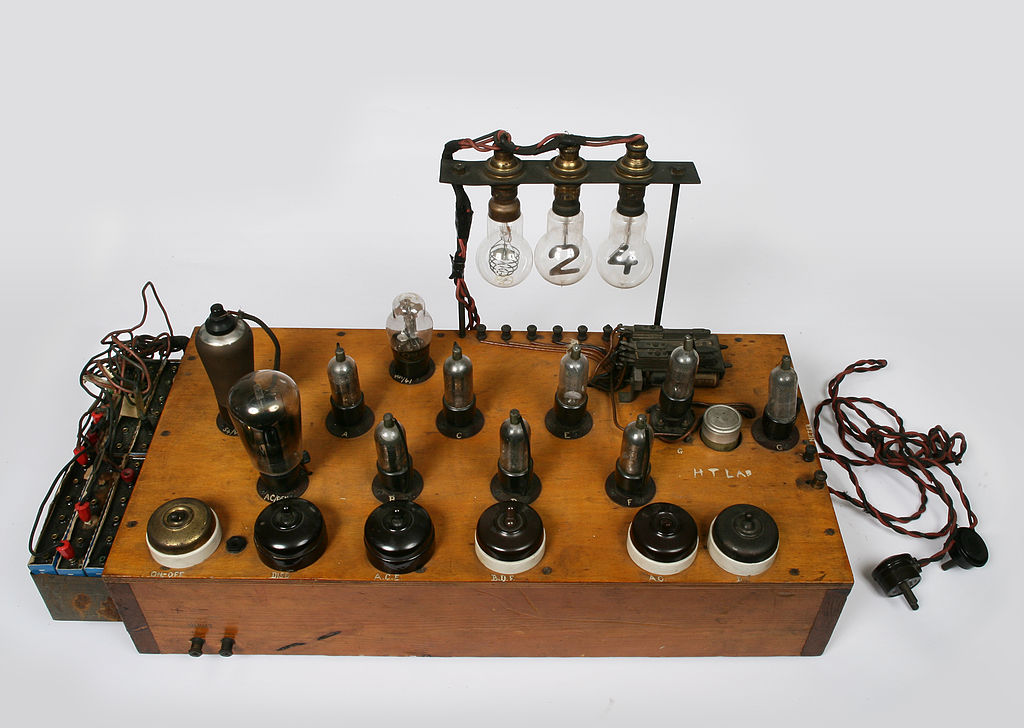
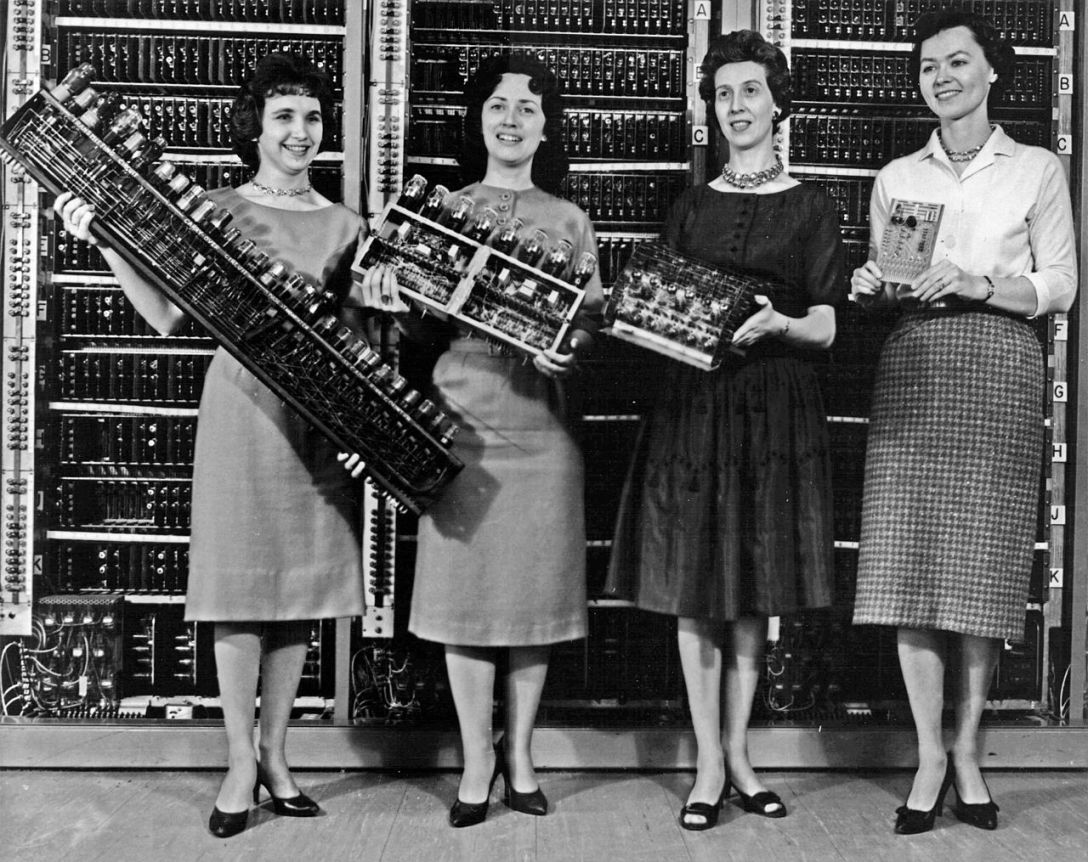
As we saw in the last installment, the search by radio and telephone engineers for more powerful amplifiers opened a new technological vista that quickly acquired the name electronics. An electronic amplifier could easily be converted into a digital switch, but one with vastly greater speed than its electro-mechanical cousin, the telephone relay. Due to its… Continue reading The Electronic Computers, Part 1: Prologue
The Electronic Age
We saw last time how the first generation of digital computers were built around the first generation of automatic electrical switch, the electromagnetic relay. But by the time those computers were built, another digital switch was already waiting in the wings. Whereas the relay was an electromechanical device (because it used electricity to control a mechanical… Continue reading The Electronic Age
Lost Generation: The Relay Computers
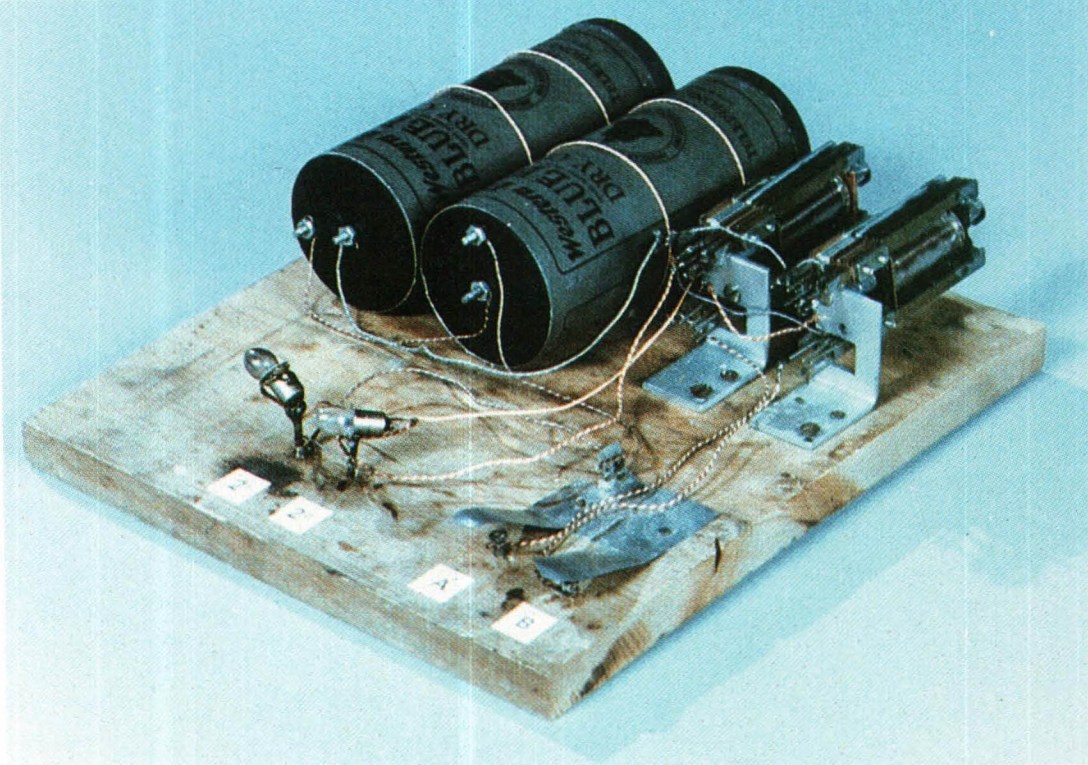
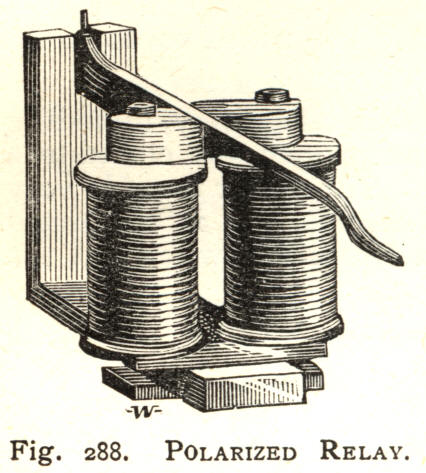
Our previous installment described the rise of automatic telephone switches, and of the complex relay circuits to control them. Now we shall see how scientists and engineers developed such relay circuits into the first, lost, generation of digital computers. The Relay at Zenith Recall to mind the relay, based on the simple idea that an electromagnet could operate a… Continue reading Lost Generation: The Relay Computers
Only Connect
The first telephones [Previous Part] were point-to-point devices, connecting a single pair of stations. As early as 1877, however, Alexander Graham Bell envisioned a grand, interconnected system. Bell wrote in a prospectus for potential inventors that, just as municipal gas and water systems connected homes and offices throughout major cities to central distribution centers,1 ...it is conceivable that cables… Continue reading Only Connect
The Speaking Telegraph
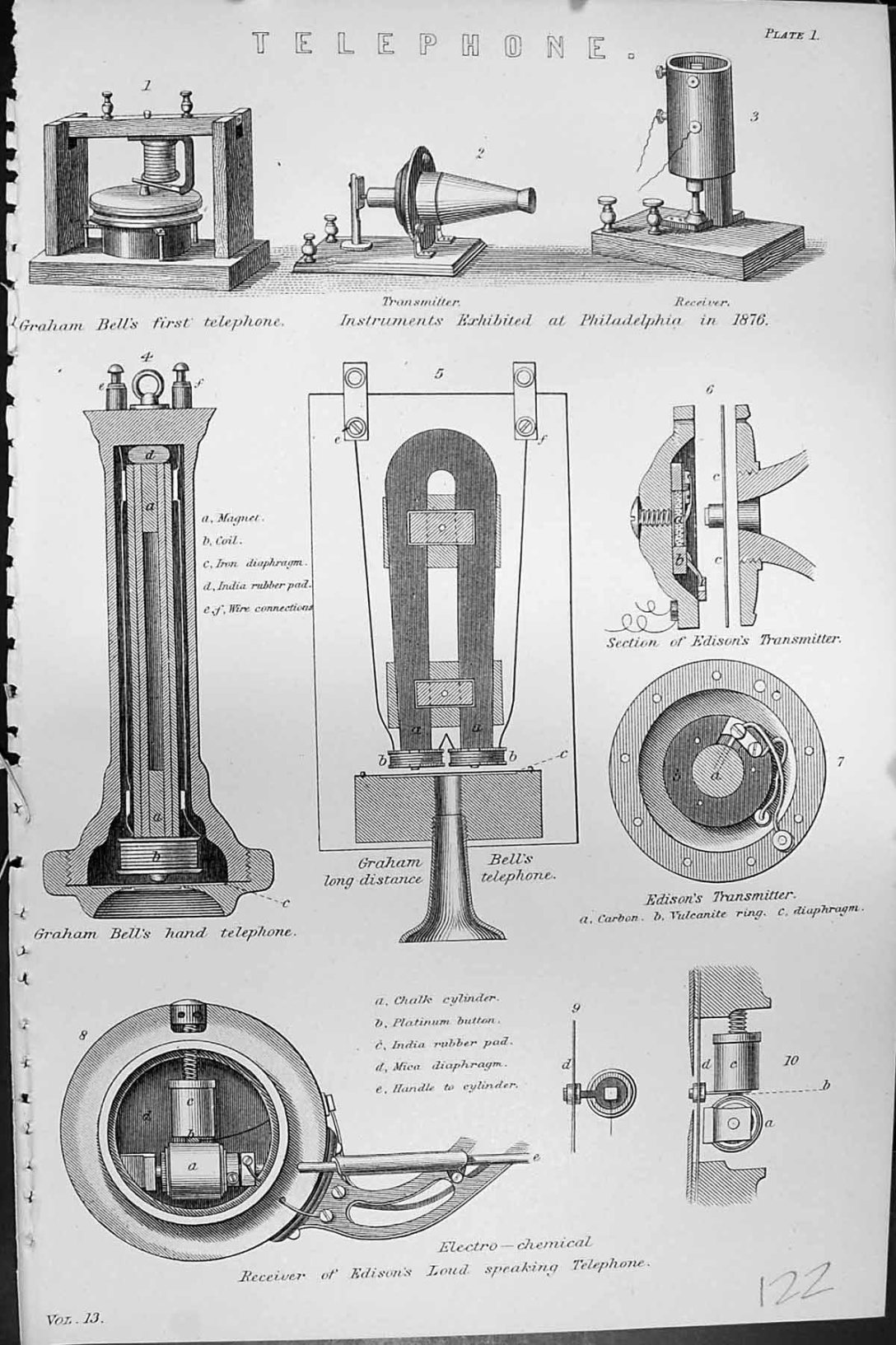
[Previous Part] The telephone was an accident. Whereas the telegraph networks of the 1840s emerged out of a century-long search for the means to communicate by electricity, men only stumbled over the telephone while searching for a better telegraph. For this reason, it is easier to pin down a plausible, though not incontrovertible, date for the invention of the… Continue reading The Speaking Telegraph
The Relay
[Previous Part] In 1837, American scientist and teacher Joseph Henry took his first tour of Europe. During his visit to London, he made a point of visiting a man he greatly admired, the mathematician Charles Babbage. Accompanying Henry were his friend Alexander Bache, and his new acquaintance and fellow experimenter in telegraphy, Charles Wheatstone. Babbage told his… Continue reading The Relay
The Entrepreneurs
In our last installment, we saw how the component parts that could be used to build an electromagnetic telegraph came into being. Now let us see how they were put together. The Time Ripens By the 1830s, the time was ripe for the development of the telegraph on a large scale. In the U.S. and Britain, the age… Continue reading The Entrepreneurs
Galvanism
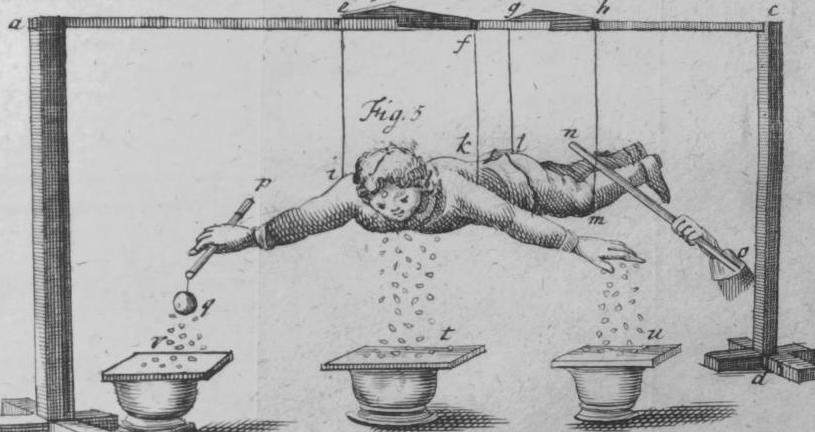
We last left the electric telegraph wandering through the decades in a kind of limbo. A fascinating demonstration piece, a promising curiosity, it had yet to prove itself as a practical instrument. By 1830, however, electricians had made several crucial new discoveries that made the electric telegraph as we know it possible. It began with a frog.… Continue reading Galvanism
Far Writer
We continue our story of the digital switch (previous part) with a digression to examine the first telegraph. This machine was the incumbent against which the electric telegraph would be measured. Plus it's just plain interesting. The Brothers Chappe In 1789, Claude Chappe was living the easy life.1 Nominally a priest, he received income from his religious "benefices" (i.e., church endowments)… Continue reading Far Writer
An Expeditious Method of Conveying Intelligence
To begin our story of the switch, we must seek the origins of the electric telegraph. From this device arose the telecommunications industry, which, in turn, was the wellspring of digital computing as we know it. It came about only after many efforts over nearly a century to convey intelligence (intelligence meaning roughly what we mean by information) by electricity. One important… Continue reading An Expeditious Method of Conveying Intelligence
About This Blog
Since I was a boy, I have been fascinated by stories of human ingenuity. From tales of the first astronomers, craning their necks at the skies from their ziggurats, to the more prosaic history of the humble zipper. Since then I have studied the history of human creativity in science and technology much more seriously. But given… Continue reading About This Blog