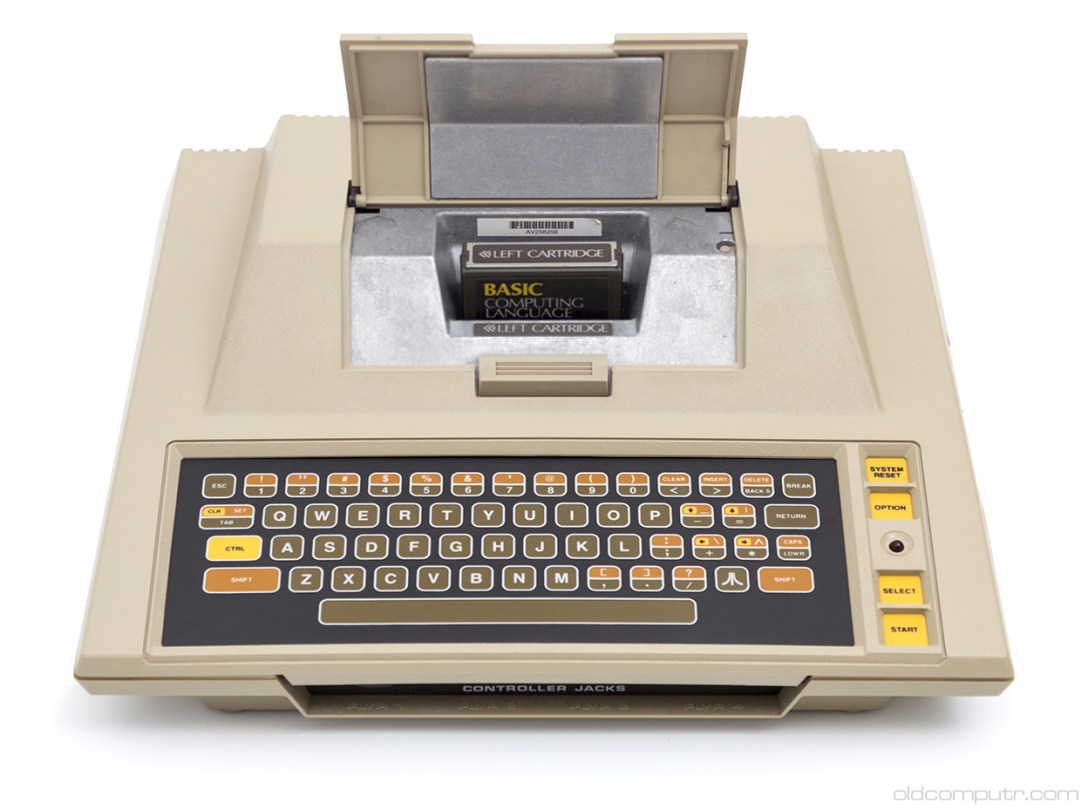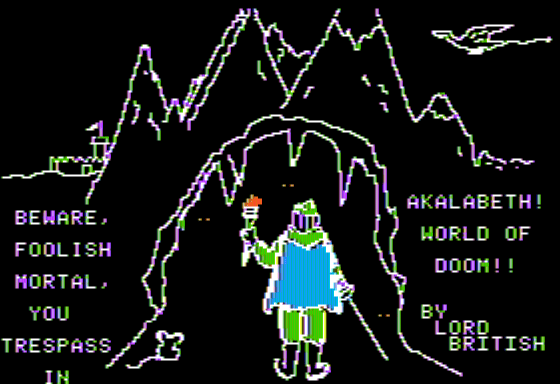
Author's note: I originally intended for this post to cover adventure games, computer role-playing games, wargames and other simulations, a brief look at the home video game market, and finally the rise of hybrids that fused home video game systems with personal computers. In the grand scheme of the story about personal computers that I… Continue reading The Rise of Computer Games, Part I: Adventure
Author: technicshistory
The Useful Personal Computer
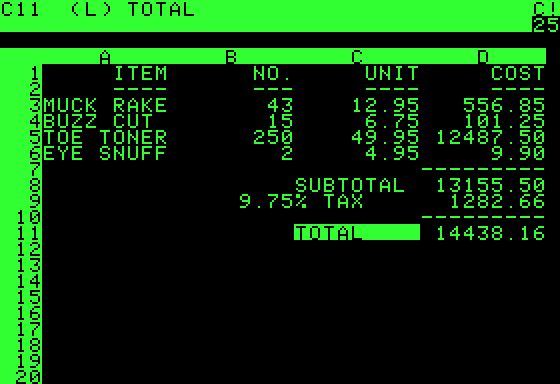
To market their new products to people who had not already spent years pining for a computer of their own, the creators of the second wave of microcomputers had to face head on the question of what the microcomputer was actually good for. What was its value, if not as a hobby plaything for self-motivated… Continue reading The Useful Personal Computer
Microcomputers – The Second Wave: Toward A Mass Market
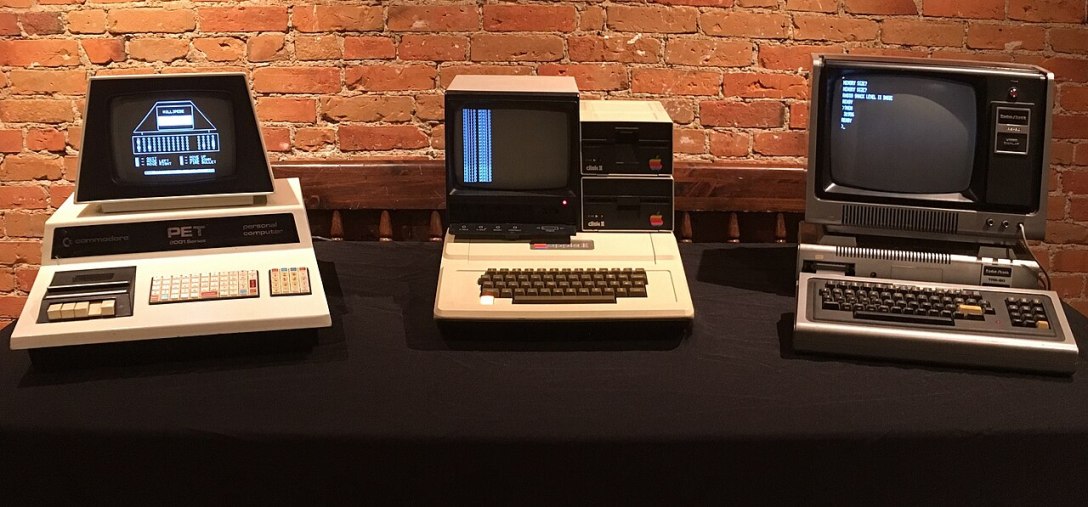
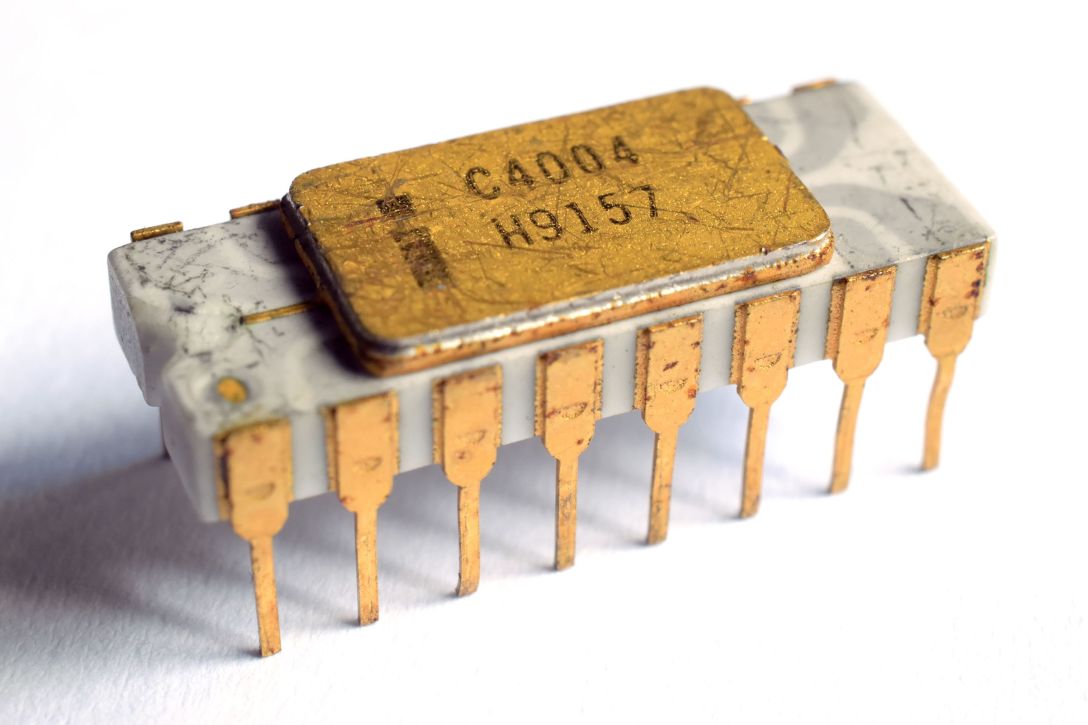
In 1977, three new microcomputers appeared on the scene that broke free from the industry’s hobbyist roots: the Apple II, the Commodore PET, and the Tandy/Radio Shack TRS-80. Much later, in the 1990s, journalists and historians began reverently referring to this group as “the Trinity.” Though all three machines had different origins and different trajectories… Continue reading Microcomputers – The Second Wave: Toward A Mass Market
The Hobby Computer Culture
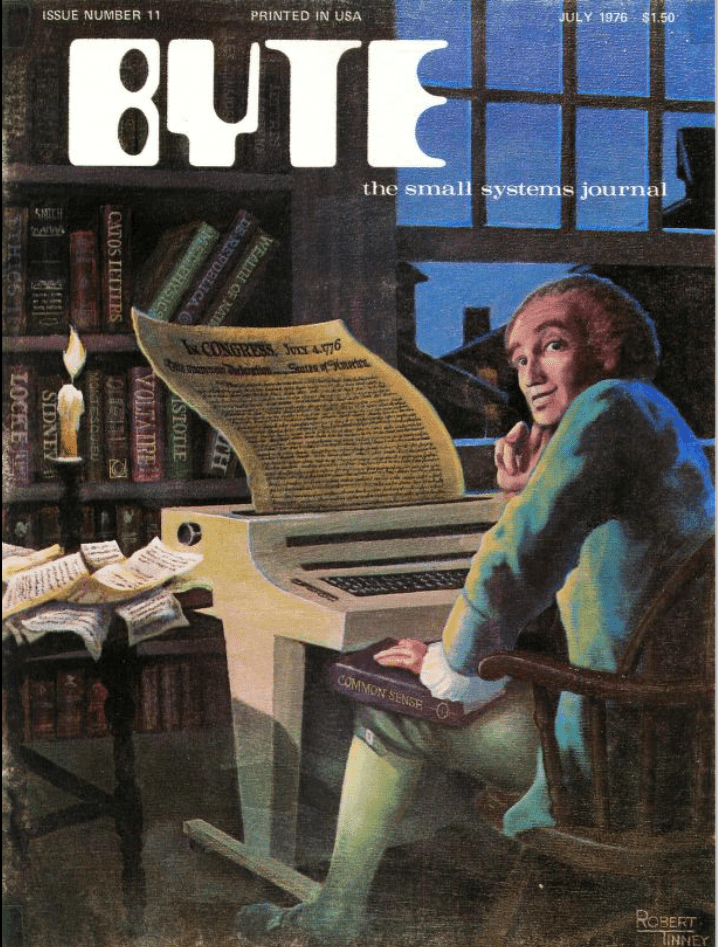
[This post is part of “A Bicycle for the Mind.” The complete series can be found here.] From 1975 through early 1977, the use of personal computers remained almost exclusively the province of hobbyists who loved to play with computers and found them inherently fascinating. When BYTE magazine came out with its premier issue in 1975,… Continue reading The Hobby Computer Culture
Microcomputers – The First Wave: Responding to Altair
[This post is part of “A Bicycle for the Mind.” The complete series can be found here.] Don Tarbell: A Life in Personal Computing In August 1968, Stephen Gray, sole proprietor of the Amateur Computer Society (ACS), published a letter in the society newsletter from an enthusiast in Huntsville, Alabama named Don Tarbell. To help other… Continue reading Microcomputers – The First Wave: Responding to Altair
From ACS to Altair: The Rise of the Hobby Computer
[This post is part of "A Bicycle for the Mind." The complete series can be found here.] The Early Electronics Hobby A certain pattern of technological development recurred many times in the decades around the turn of the twentieth century: a scattered hobby community, tinkering with a new idea, develops it to the point where… Continue reading From ACS to Altair: The Rise of the Hobby Computer
Interactive Computing: A Counterculture
In 1974, Ted Nelson self-published a very unusual book. Nelson lectured on sociology at the University of Illinois at Chicago to pay the bills, but his true calling was as a technological revolutionary. In the 1960s, he had dreamed up a computer-based writing system which would preserve links among different documents. He called the concept… Continue reading Interactive Computing: A Counterculture
A Craving for Calculation
In 1965, Patrick Haggerty, president of Texas Instruments (TI), wanted to make a new bet on the future of electronics. In that future, he believed, in a theme he frequently expounded, the use of electronic would become “pervasive.” A decade before, he had pushed for the development of a transistor-based pocket radio, to demonstrate the… Continue reading A Craving for Calculation
A Bicycle for the Mind – Prologue
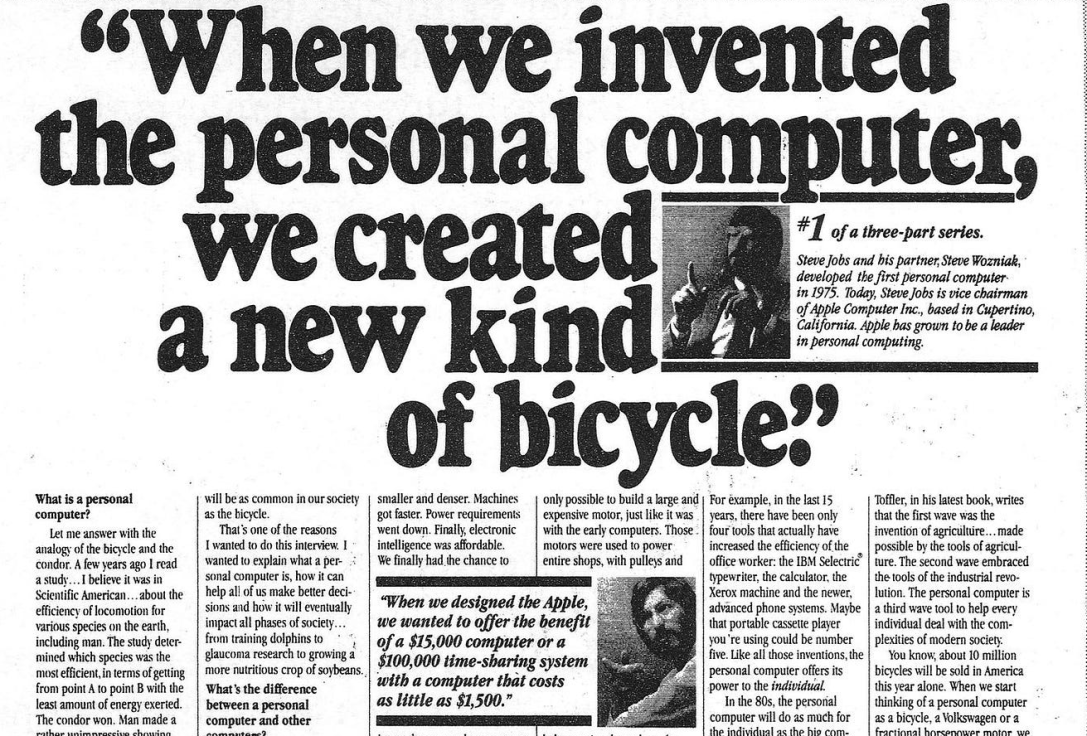
“When man created the bicycle, he created a tool that amplified an inherent ability. That’s why I like to compare the personal computer to a bicycle. …it’s a tool that can amplify a certain part of our inherent intelligence. There’s a special relationship that develops between one person and one computer that ultimately improves productivity… Continue reading A Bicycle for the Mind – Prologue
Coda: Steam’s Last Stand
In the year 1900, automobile sales in the United States were divided almost evenly among three types of vehicles: automakers sold about 1,000 cars powered by internal combustion engines, but over 1,600 powered by steam engines, and almost as many by batteries and electric motors. Throughout all of living memory (at least until the very… Continue reading Coda: Steam’s Last Stand
Twilight of the Age of Steam, Part 2: Petroleum and After
In the mid-nineteenth century, a new industry emerged, based on the refining of petroleum. The human use of petroleum is ancient, and may (for all we know) date well into pre-history. In the form found most often in nature, as thick pools of bituminous tar, this sticky, potentially flammable substance found use as a caulk,… Continue reading Twilight of the Age of Steam, Part 2: Petroleum and After
Twilight of the Steam Age, Part 1: Internal Combustion
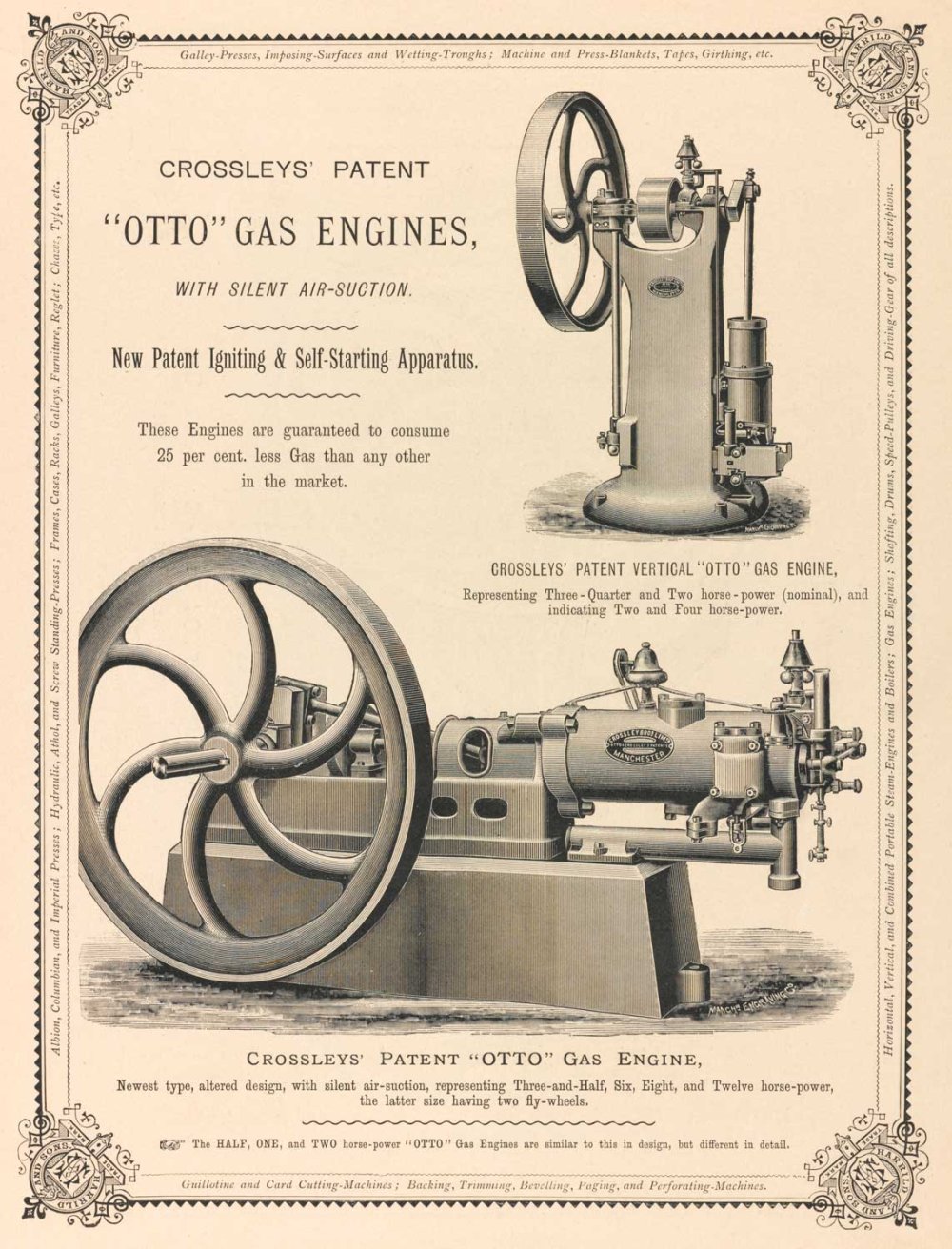
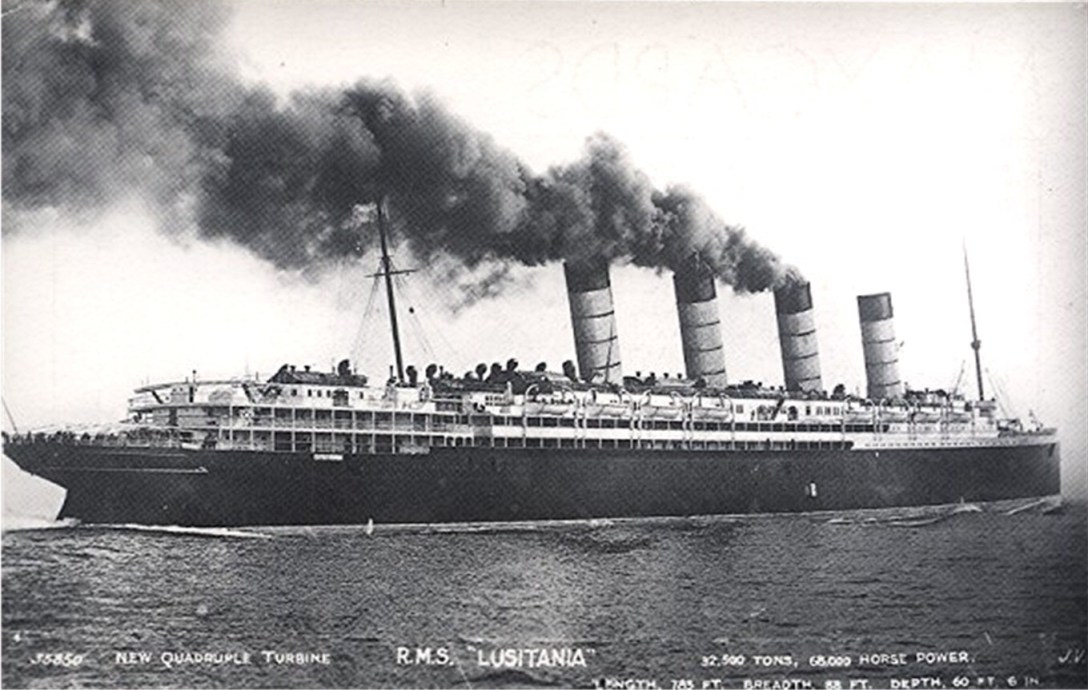
Here in the early decades of the twenty-first century, steam turbines can still be found (though they are almost never seen) but steam piston engines are archaic relics. Nearly every moving machine that we see—cars, trucks, lawnmowers, the aircraft in the sky and the boats in the water—derives its power directly from the combustion of… Continue reading Twilight of the Steam Age, Part 1: Internal Combustion
Steam Revolution: The Turbine
Incandescent electric light did not immediately snuff out all of its rivals: the gas industry fought back with its own incandescent mantle (which used the heat of the gas to induce a glow in another material) and the arc lighting manufacturers with a glass-enclosed arc bulb.[1] Nonetheless, incandescent lighting grew at an astonishing pace: the… Continue reading Steam Revolution: The Turbine
Steam and Electricity, Part 1: Electric Light
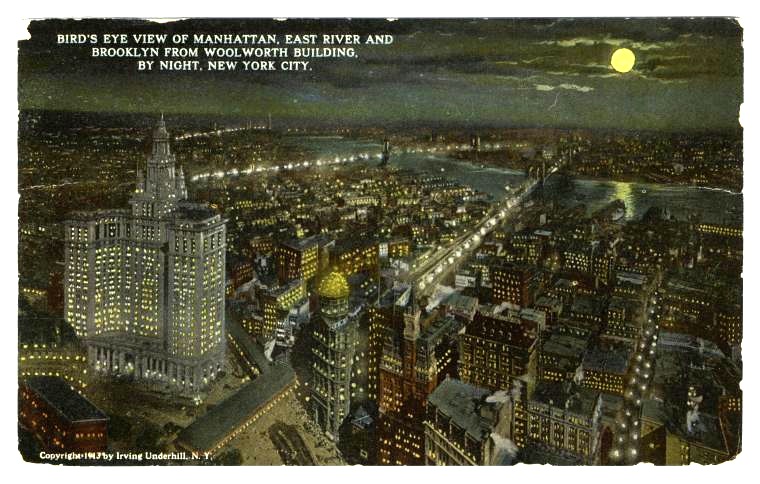
So, steam power had by the last third of the nineteenth century wrought revolutions in mining, manufacturing, and transportation on land, the rivers, and the oceans. That would seem to be enough. But the inventors of the nineteenth century would wrest yet one more revolution from steam, by generating from it electric light, and then… Continue reading Steam and Electricity, Part 1: Electric Light
The Pursuit of Efficiency and the Science of Steam
On April 19th, 1866, Alfred Holt, a Liverpudlian engineer who had apprenticed on the Liverpool & Manchester railroad before taking up steamship design in the 1850s, launched a singular ship that he dubbed the Agamemnon. As the third soon of a prosperous banker, cotton broker, and insurer, he had access to far more personal capital… Continue reading The Pursuit of Efficiency and the Science of Steam
America’s Steam Empire
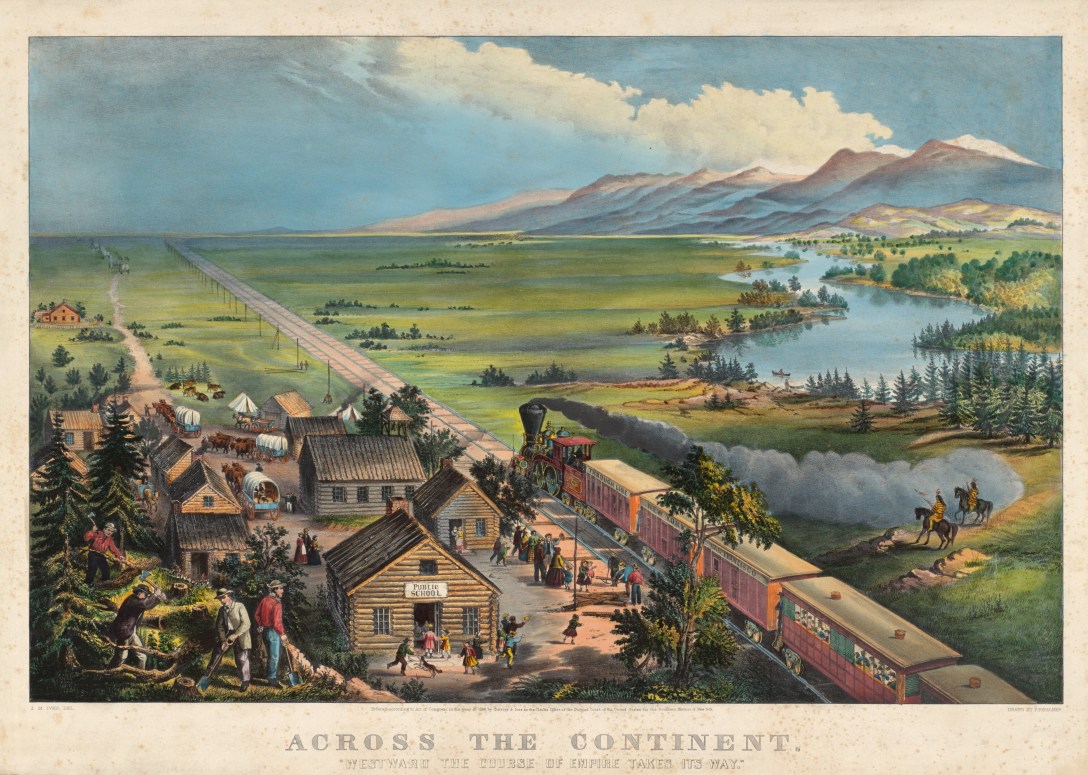
[Apologies for the long delay on this one, a combination of writer's block and a house move slowed me down this summer. Hopefully the next installment will follow more rapidly!] Railroads and Continental Power The Victorian Era saw the age of steam at its flood tide. Steam-powered ships could decide the fate of world affairs,… Continue reading America’s Steam Empire
Britain’s Steam Empire
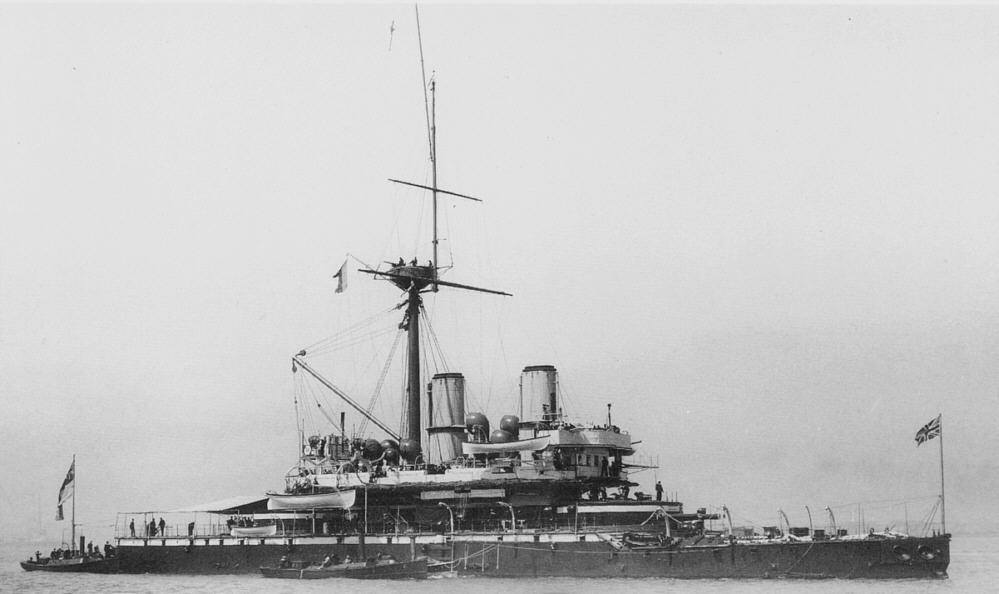
The British empire of the nineteenth century dominated the world’s oceans and much of its landmass: Canada, southern and northeastern Africa, the Indian subcontinent, and Australia. At its world-straddling Victorian peak, this political and economic machine ran on the power of coal and steam; the same can be said of all the other major powers… Continue reading Britain’s Steam Empire
The Backbone – Now in Book Form!
This took much longer than I had expected, but it's finally here. My series “The Backbone” is now available as a book, in both Kindle and paperback formats. You can find it at Amazon.com here. The book improves upon the original posts in many ways: professionally edited text revised to make it flow more smoothly as… Continue reading The Backbone – Now in Book Form!
Steamships, Part 2: The Further Adventures of Isambard Kingdom Brunel
Iron Empire As far back as 1832, Macgregor Laird had taken the iron ship Alburkah to Africa and up the Niger, making it among the first ship of such construction to take the open sea. But the use of iron hulls in British inland navigation can be traced decades earlier, beginning with river barges in… Continue reading Steamships, Part 2: The Further Adventures of Isambard Kingdom Brunel
Steamships, Part I: Crossing the Atlantic
For much of this story, our attention has focused on events within the isle of Great Britain, and with good reason: primed by the virtuous cycle of coal, iron, and steam, the depth and breadth of Britain’s exploitation of steam power far exceeded that found anywhere else, for roughly 150 years after the groaning, hissing… Continue reading Steamships, Part I: Crossing the Atlantic