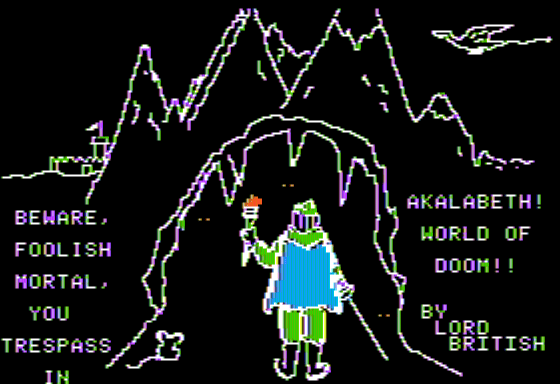
In the late 1960s and early 1970s, one could participate in a variety of (mostly novel) hobbies that all asked “what-if”: reading and watching science fiction (especially Star Trek), reading the writings of Tolkien and his growing body of imitators, playing tabletop war games that simulated everything from ancient warfare to World War II, engaging… Continue reading The Rise of Computer Games, Part II: Digitizing Nerddom
Category: A Bicycle for the Mind
The Rise of Computer Games, Part I: Adventure
Author's note: I originally intended for this post to cover adventure games, computer role-playing games, wargames and other simulations, a brief look at the home video game market, and finally the rise of hybrids that fused home video game systems with personal computers. In the grand scheme of the story about personal computers that I… Continue reading The Rise of Computer Games, Part I: Adventure
The Useful Personal Computer
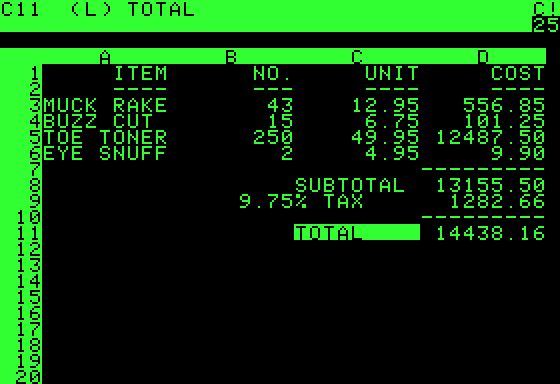
To market their new products to people who had not already spent years pining for a computer of their own, the creators of the second wave of microcomputers had to face head on the question of what the microcomputer was actually good for. What was its value, if not as a hobby plaything for self-motivated… Continue reading The Useful Personal Computer
Microcomputers – The Second Wave: Toward A Mass Market
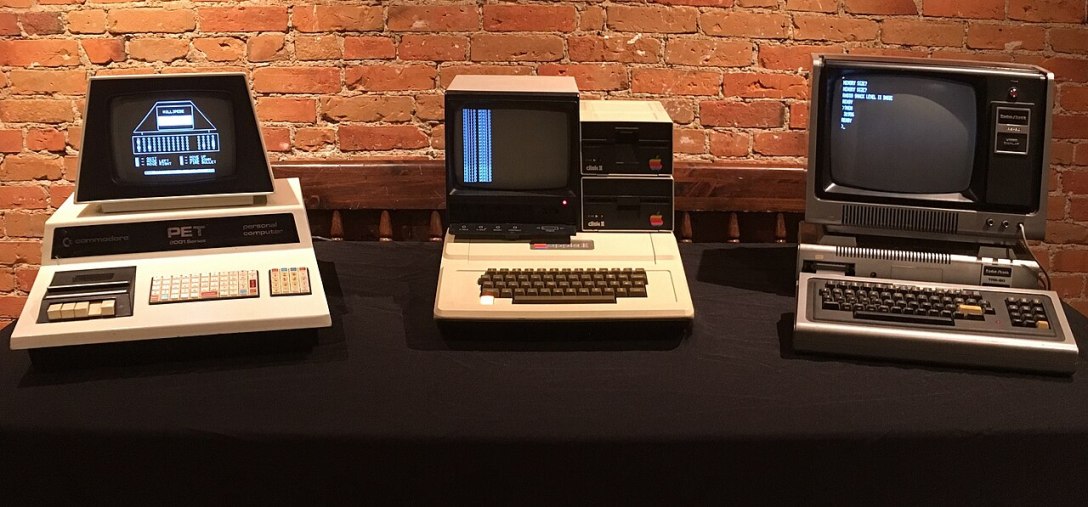
In 1977, three new microcomputers appeared on the scene that broke free from the industry’s hobbyist roots: the Apple II, the Commodore PET, and the Tandy/Radio Shack TRS-80. Much later, in the 1990s, journalists and historians began reverently referring to this group as “the Trinity.” Though all three machines had different origins and different trajectories… Continue reading Microcomputers – The Second Wave: Toward A Mass Market
The Hobby Computer Culture
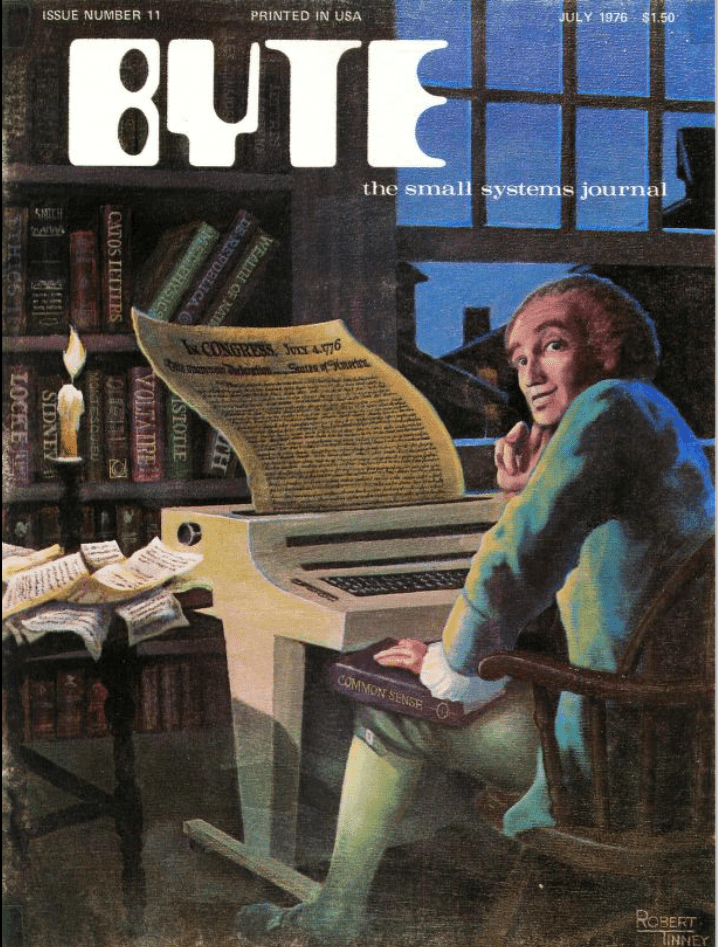
[This post is part of “A Bicycle for the Mind.” The complete series can be found here.] From 1975 through early 1977, the use of personal computers remained almost exclusively the province of hobbyists who loved to play with computers and found them inherently fascinating. When BYTE magazine came out with its premier issue in 1975,… Continue reading The Hobby Computer Culture
Microcomputers – The First Wave: Responding to Altair
[This post is part of “A Bicycle for the Mind.” The complete series can be found here.] Don Tarbell: A Life in Personal Computing In August 1968, Stephen Gray, sole proprietor of the Amateur Computer Society (ACS), published a letter in the society newsletter from an enthusiast in Huntsville, Alabama named Don Tarbell. To help other… Continue reading Microcomputers – The First Wave: Responding to Altair
From ACS to Altair: The Rise of the Hobby Computer
[This post is part of "A Bicycle for the Mind." The complete series can be found here.] The Early Electronics Hobby A certain pattern of technological development recurred many times in the decades around the turn of the twentieth century: a scattered hobby community, tinkering with a new idea, develops it to the point where… Continue reading From ACS to Altair: The Rise of the Hobby Computer
Interactive Computing: A Counterculture
In 1974, Ted Nelson self-published a very unusual book. Nelson lectured on sociology at the University of Illinois at Chicago to pay the bills, but his true calling was as a technological revolutionary. In the 1960s, he had dreamed up a computer-based writing system which would preserve links among different documents. He called the concept… Continue reading Interactive Computing: A Counterculture
A Craving for Calculation
In 1965, Patrick Haggerty, president of Texas Instruments (TI), wanted to make a new bet on the future of electronics. In that future, he believed, in a theme he frequently expounded, the use of electronic would become “pervasive.” A decade before, he had pushed for the development of a transistor-based pocket radio, to demonstrate the… Continue reading A Craving for Calculation
A Bicycle for the Mind – Prologue
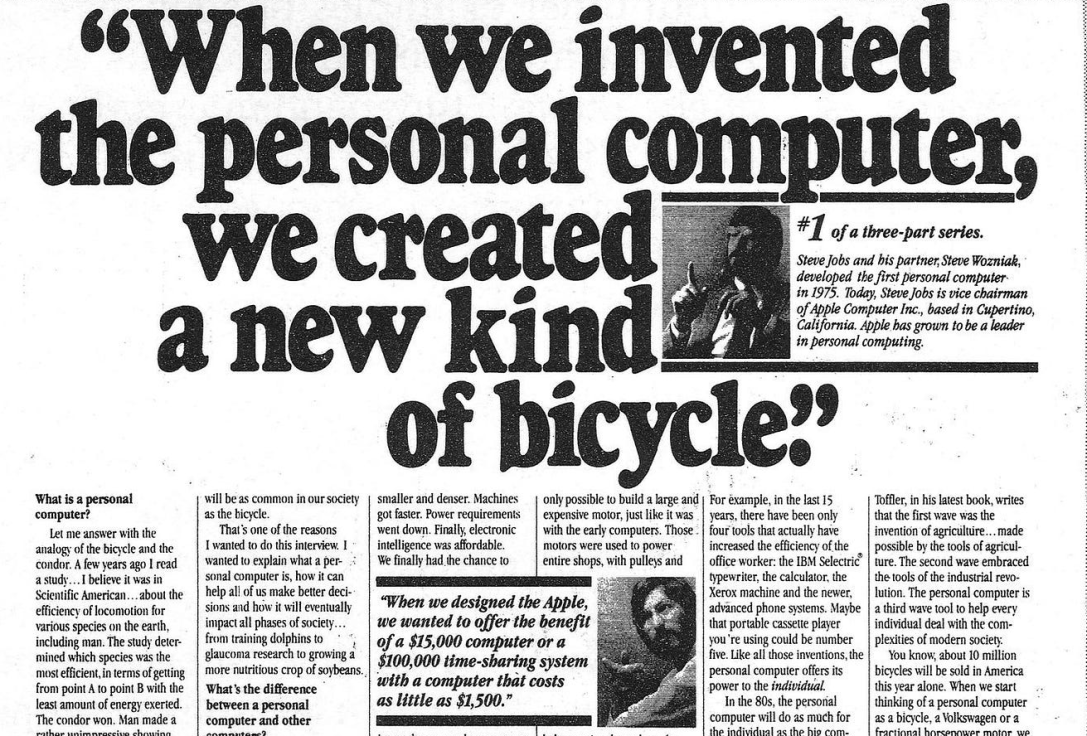
“When man created the bicycle, he created a tool that amplified an inherent ability. That’s why I like to compare the personal computer to a bicycle. …it’s a tool that can amplify a certain part of our inherent intelligence. There’s a special relationship that develops between one person and one computer that ultimately improves productivity… Continue reading A Bicycle for the Mind – Prologue